Best For
- Starting from a structured, reusable prompt instead of a blank chat.
- Adapting the prompt to your own inputs while keeping the original intent intact.
- Workflows related to Creative & Visuals.

Transforms an uploaded image into a highly detailed 3D plastic building Lego block diorama while preserving the original composition, subjects, and lighting.
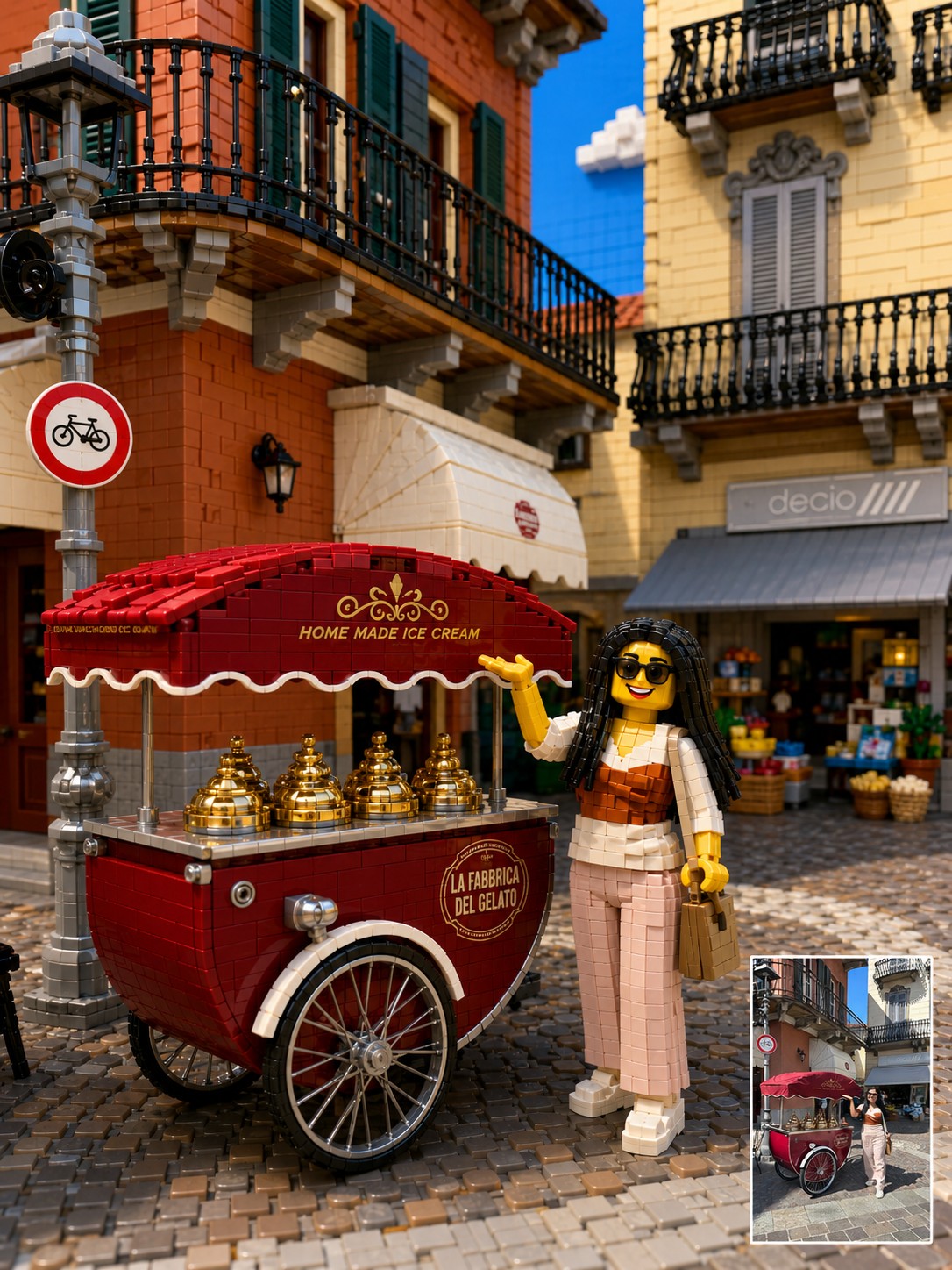
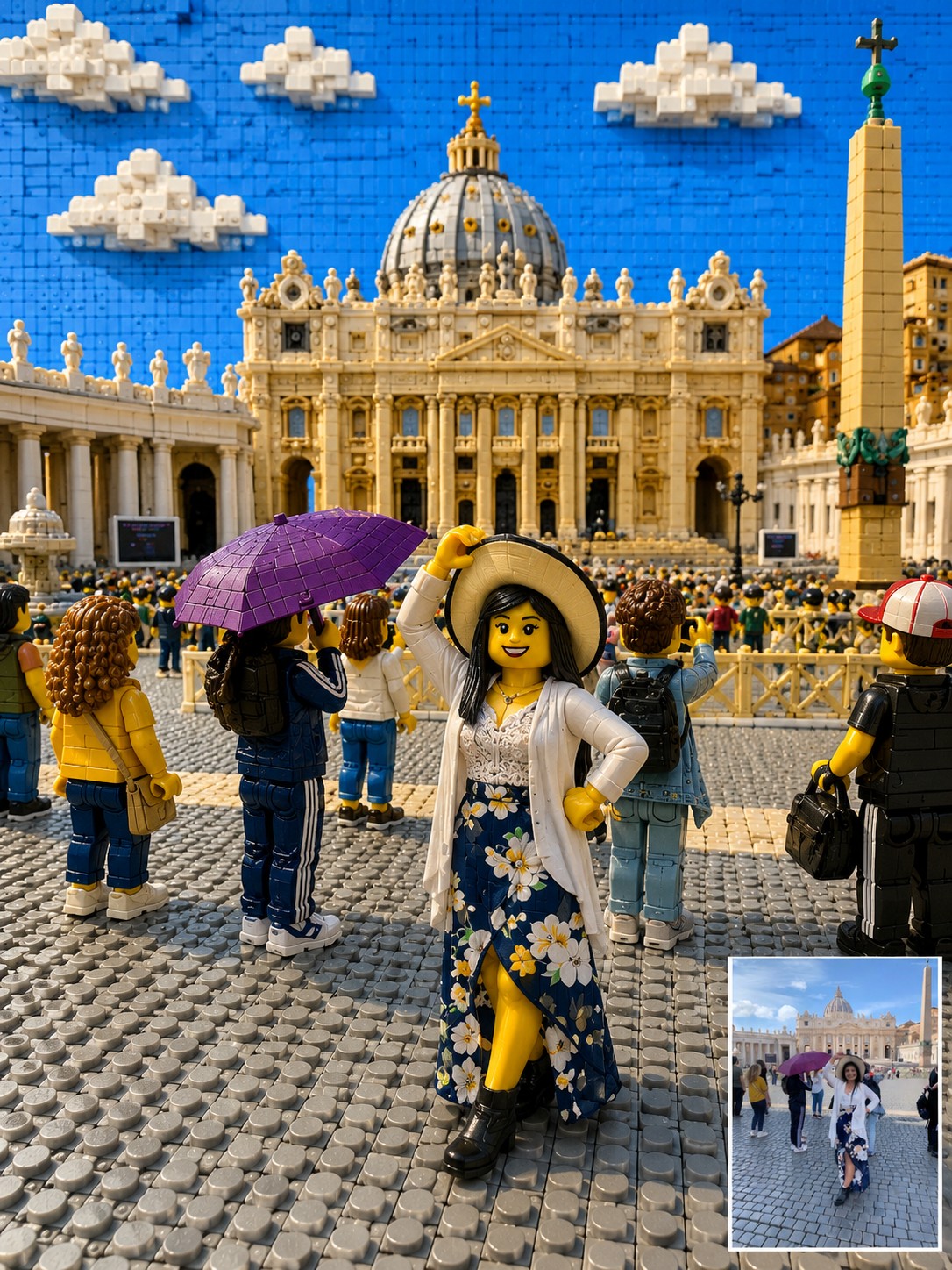
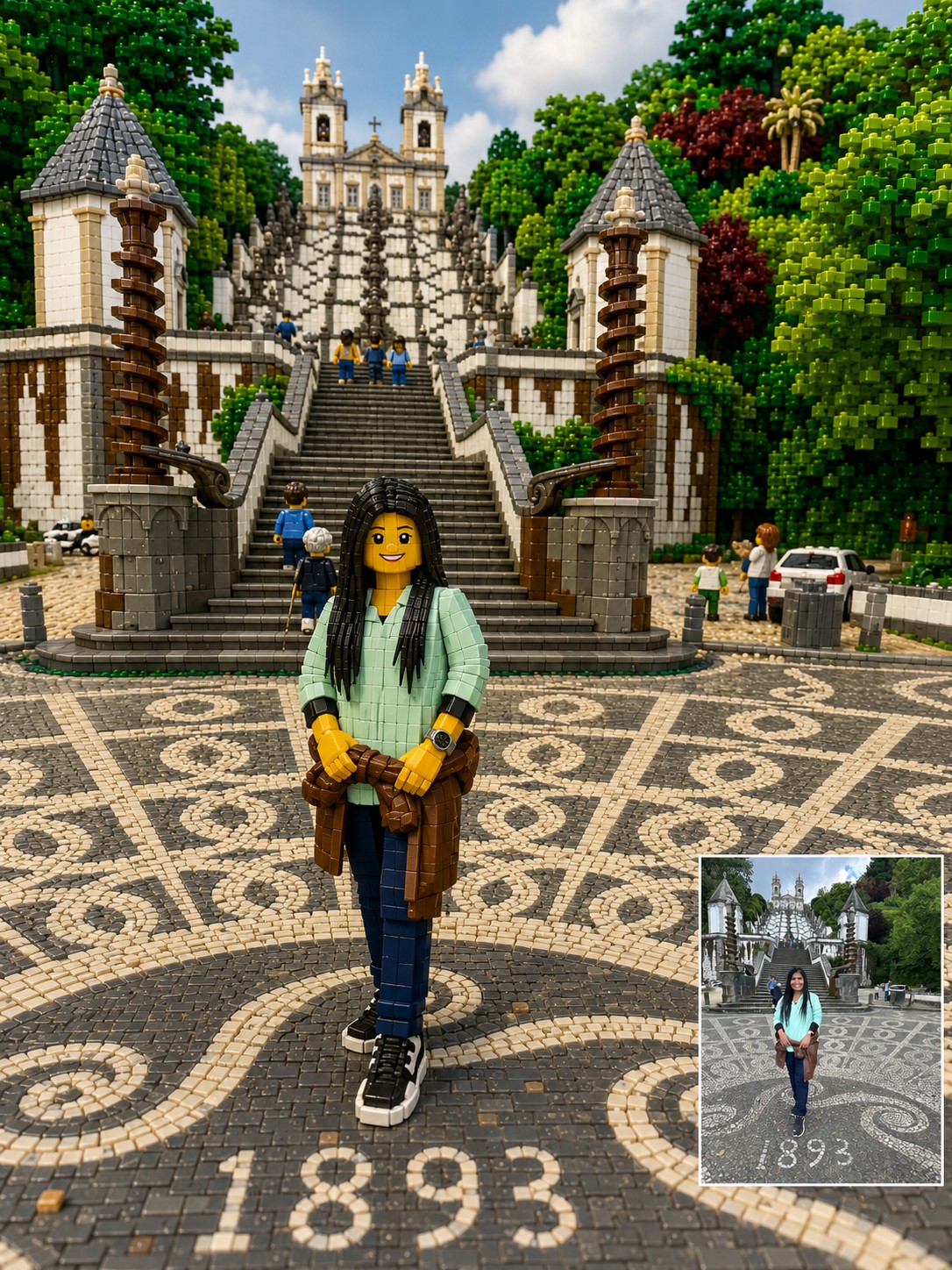
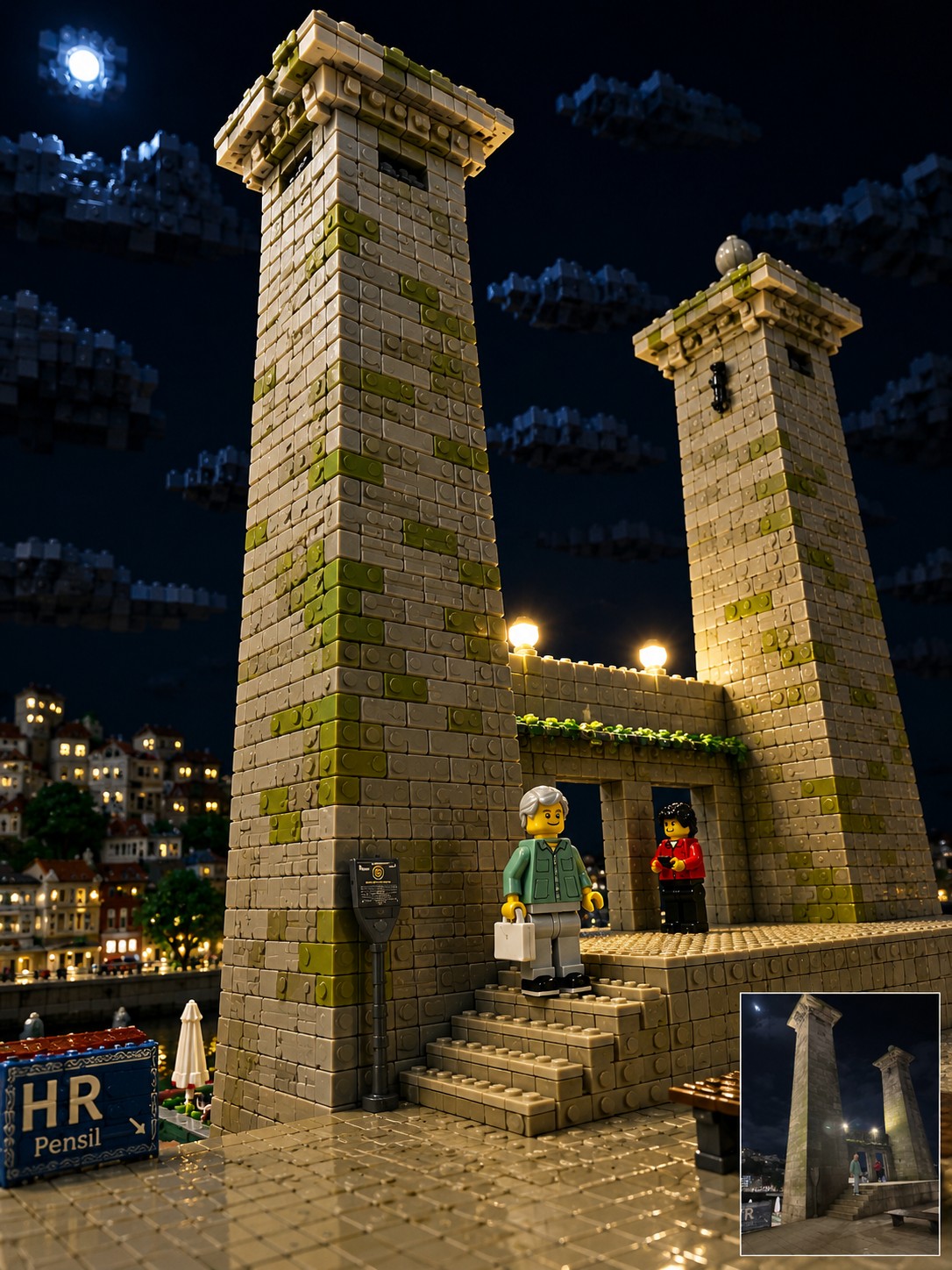
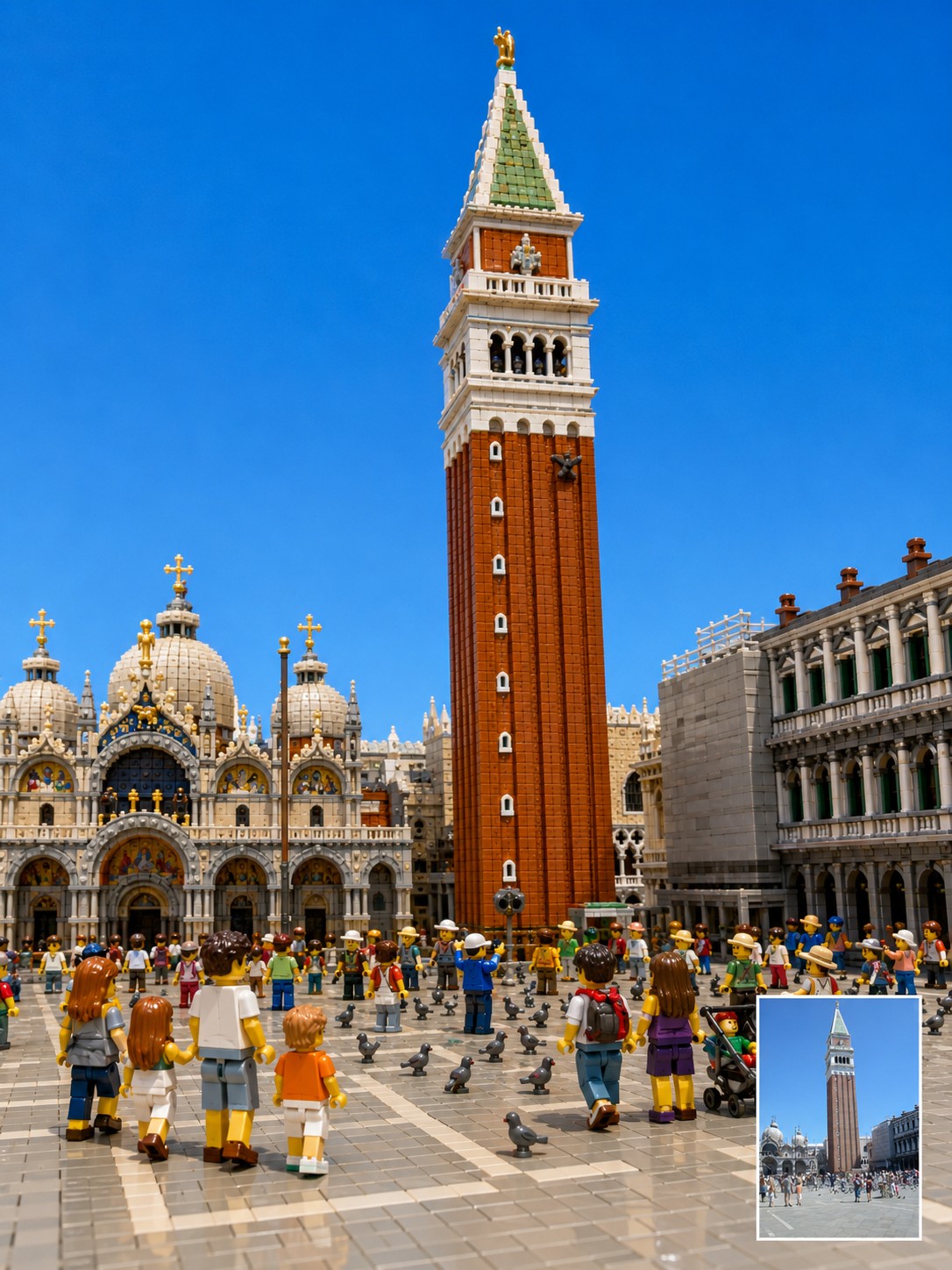
Reinterpret the uploaded photo as a highly detailed, three-dimensional toy-brick diorama built from interlocking plastic building blocks. Focus on translating the context. Preserve the original photo’s camera angle, framing, perspective, subject placement, pose, lighting direction, landmark identity, room layout, background architecture, visible objects, and overall mood as closely as possible. The final image should feel like a premium miniature brick-built scene photographed in a studio, not a flat cartoon or generic toy illustration. Every major object in the original photo should be rebuilt as volumetric plastic bricks with visible studs, seams, layered plates, curved specialty pieces, and a subtle glossy plastic sheen. Keep the location recognizable. If the photo includes a famous landmark, bridge, monument, skyline, interior room, street, sign, window view, furniture, railing, road, artwork, desk setup, pet, or travel prop, preserve its position and visual role in the composition. Translate these elements into brick form instead of replacing them with unrelated objects. Transform people and animals into cute, detailed brick figures while preserving their essence. Maintain the original pose, body orientation, outfit colors, hairstyle silhouette, accessories, pet breed, pet posture, facial expression, and emotional vibe. If a face is blurred, hidden, very small, or unclear, do not invent a realistic identity. Use a simple friendly brick-figure face while preserving the pose, clothing colors, and scene relationship. Use a {{Palette: Bright and Vivid, Pastel, Muted, Vintage Travel-Poster}} color palette with crisp details, clean edges, realistic miniature depth, and playful craftsmanship. Make the scene look {{Vibe: Joyful, Playful, Retro, Cinematic}}, tactile, and collectible, as if it were a custom display set built from thousands of pieces. Important constraints: Do not change the location. Do not move the main subject. Do not replace the landmark. Do not add fantasy elements. Do not simplify the scene into a children’s cartoon. Do not make it look like clay, paper, plush, or low-poly 3D. Keep it recognizably based on the uploaded photo while converting the entire material world into detailed plastic building blocks.
Bright and Vivid, Pastel, Muted, Vintage Travel-Poster
Joyful, Playful, Retro, Cinematic
Reinterpret the uploaded photo as a highly detailed, three-dimensional toy-brick diorama built from interlocking plastic building blocks. Focus on translating the context. Preserve the original photo’s camera angle, framing, perspective, subject placement, pose, lighting direction, landmark identity, room layout, background architecture, visible objects, and overall mood as closely as possible. The final image should feel like a premium miniature brick-built scene photographed in a studio, not a flat cartoon or generic toy illustration. Every major object in the original photo should be rebuilt as volumetric plastic bricks with visible studs, seams, layered plates, curved specialty pieces, and a subtle glossy plastic sheen. Keep the location recognizable. If the photo includes a famous landmark, bridge, monument, skyline, interior room, street, sign, window view, furniture, railing...
Variables are wrapped in {{ and }} and follow this pattern:
A selection can reference a predefined variable list using square brackets. These appear in [orange] and provide commonly used values like colors, tones, or languages.
You can also provide an inline list of choices separated by commas.
Tip: You don't need the PUCO app to use these prompts! Simply copy the template and replace each {{…}} section with your own text directly in ChatGPT, Claude, Gemini, or any other AI assistant.